Anteater Electric Racing
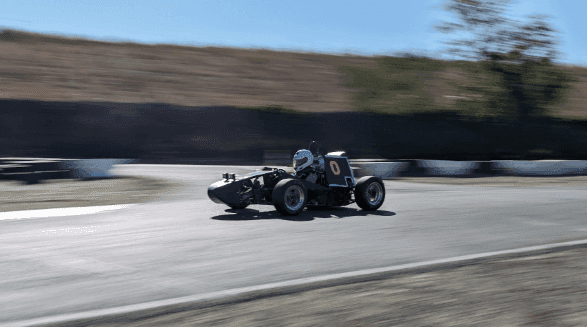
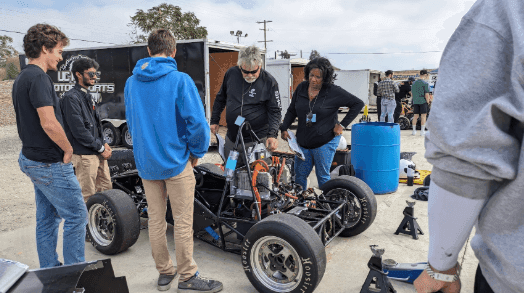
FSAE Electric Racecar Chassis
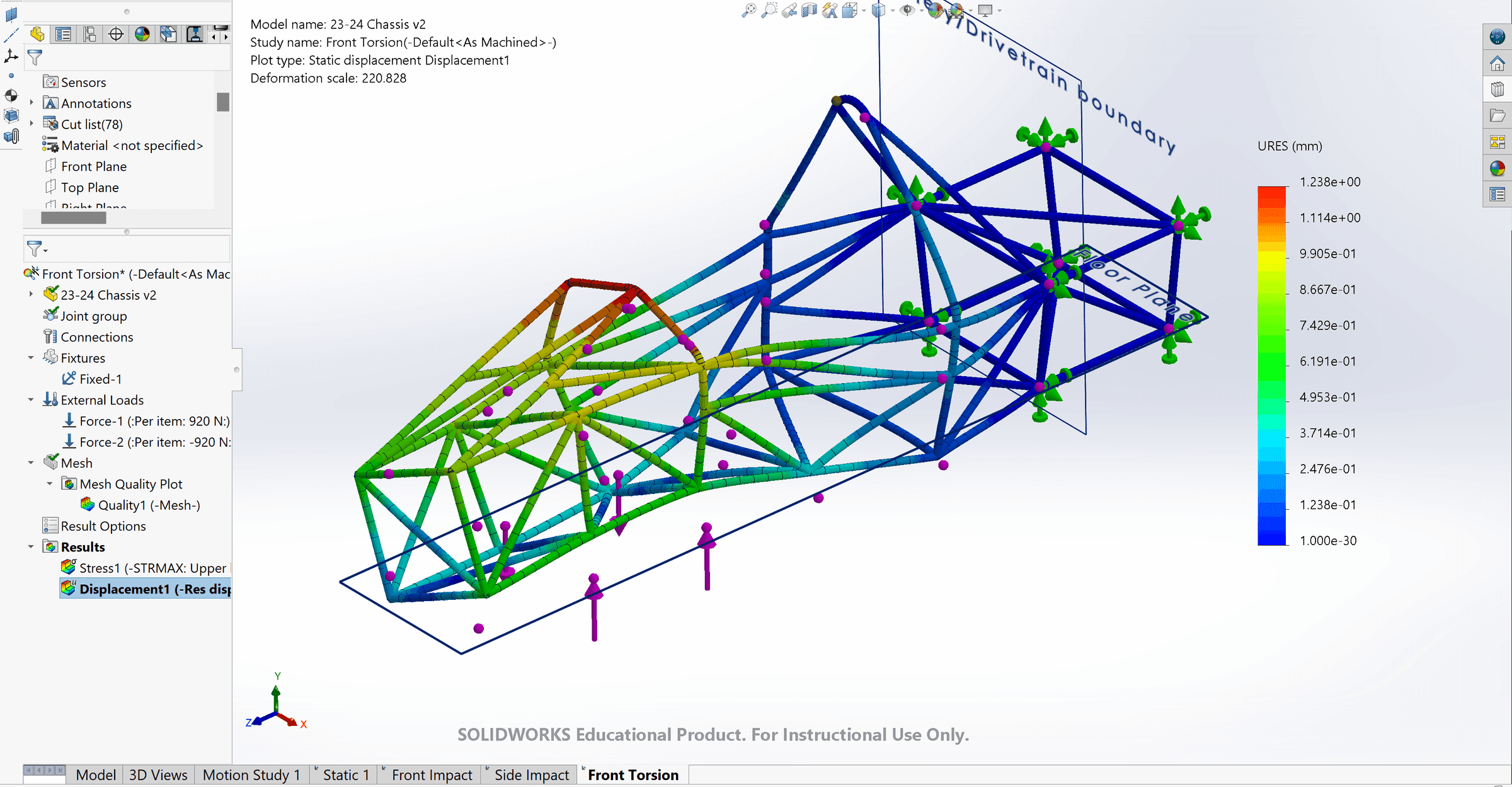
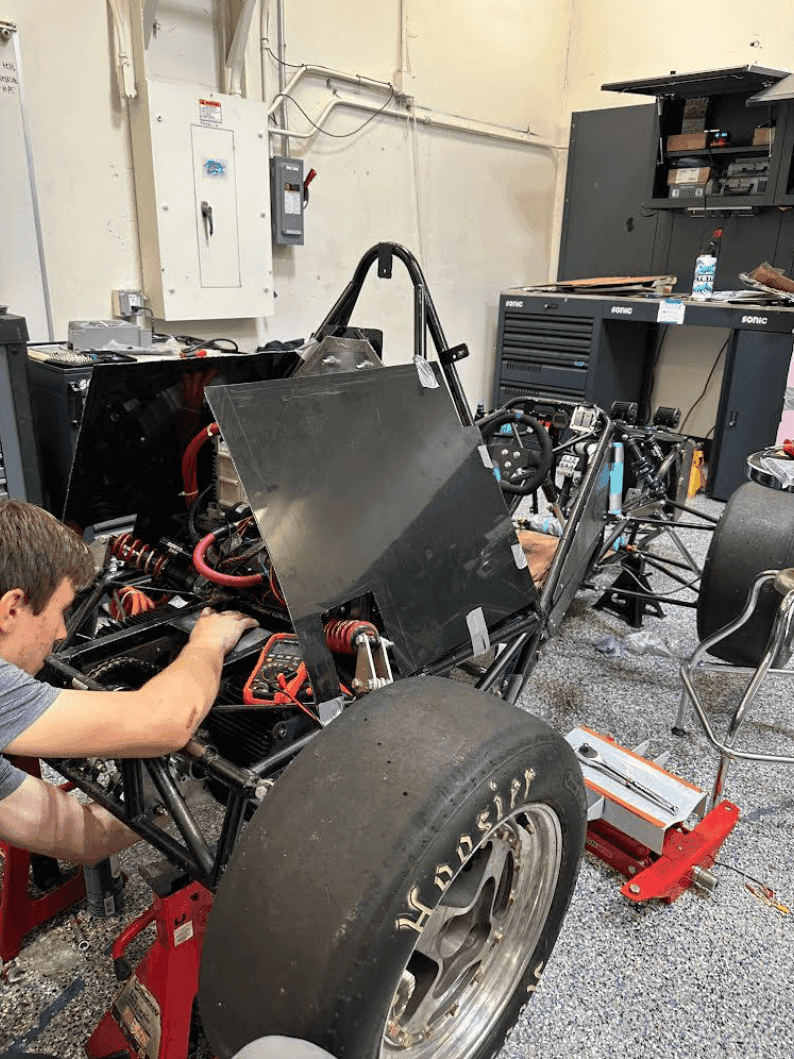
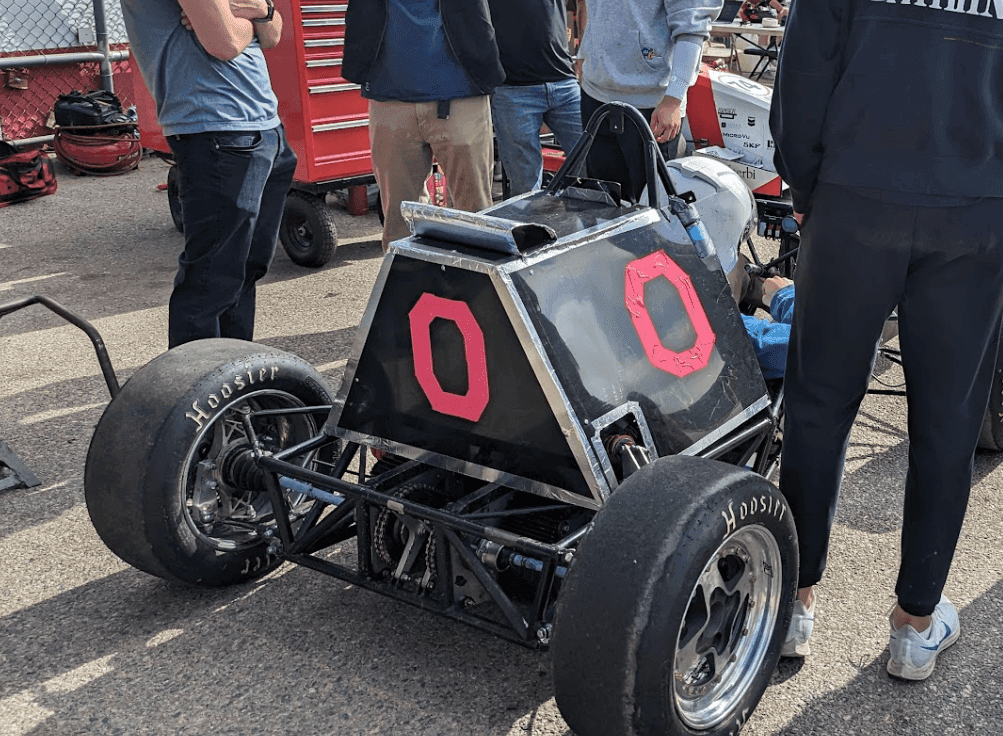
Chassis engineer on UCI's Formula SAE Electric Racing team. I led FEA-driven optimization of the 4130 chromoly steel chassis, validating the structure against FSAE's torsional rigidity and impact requirements while reducing weight by 11%.
 01 of 14
 02 of 14
 03 of 14
 04 of 14
 05 of 14
 06 of 14
 07 of 14
 08 of 14
 09 of 14
 10 of 14
 11 of 14
 12 of 14
 13 of 14
 14 of 14
Overview
Anteater Electric Racing is UCI's Formula SAE Electric team. As chassis engineer I owned weight reduction, structural validation, and the manufacturing strategy that turned the CAD model into a welded steel space frame.
What I owned
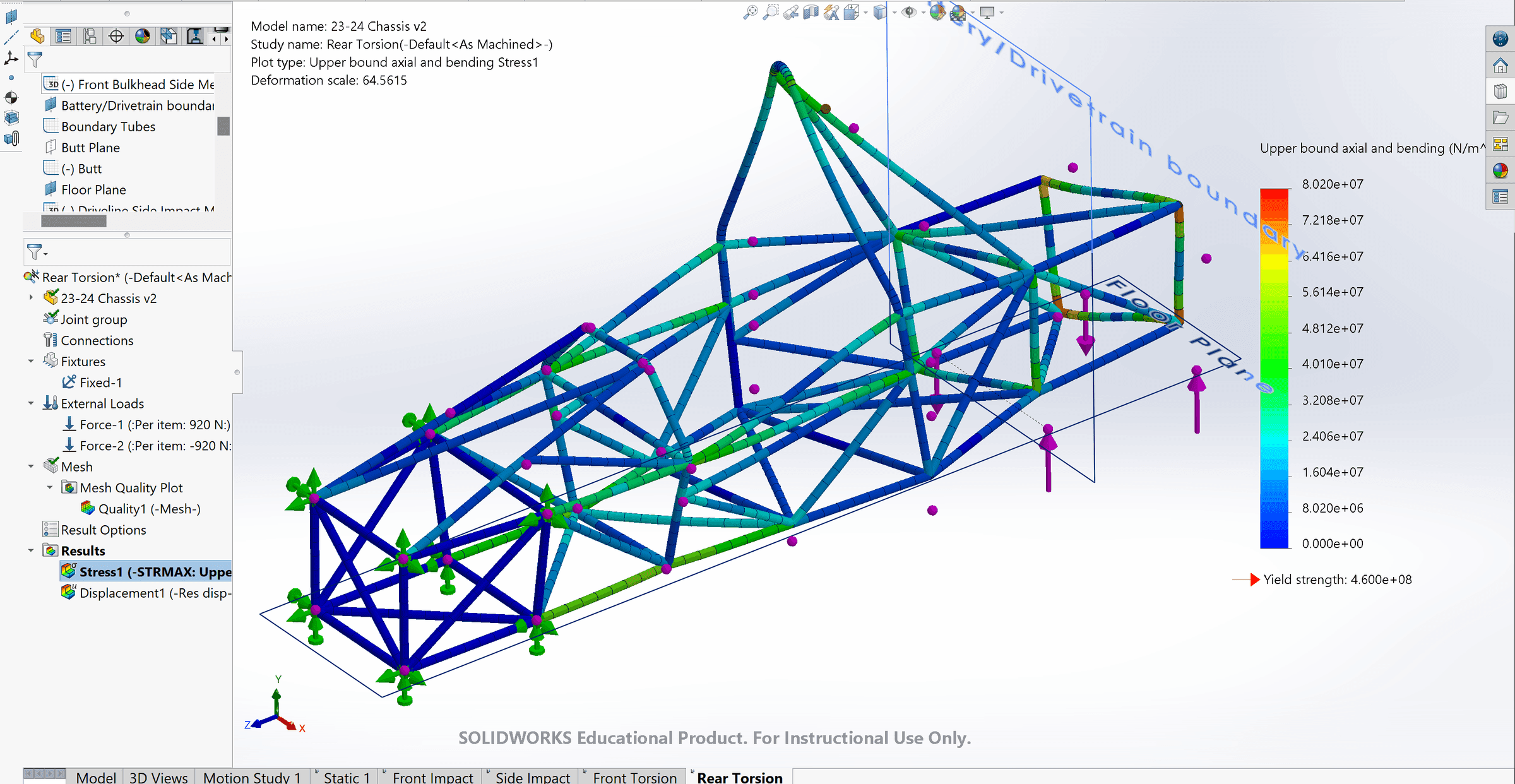
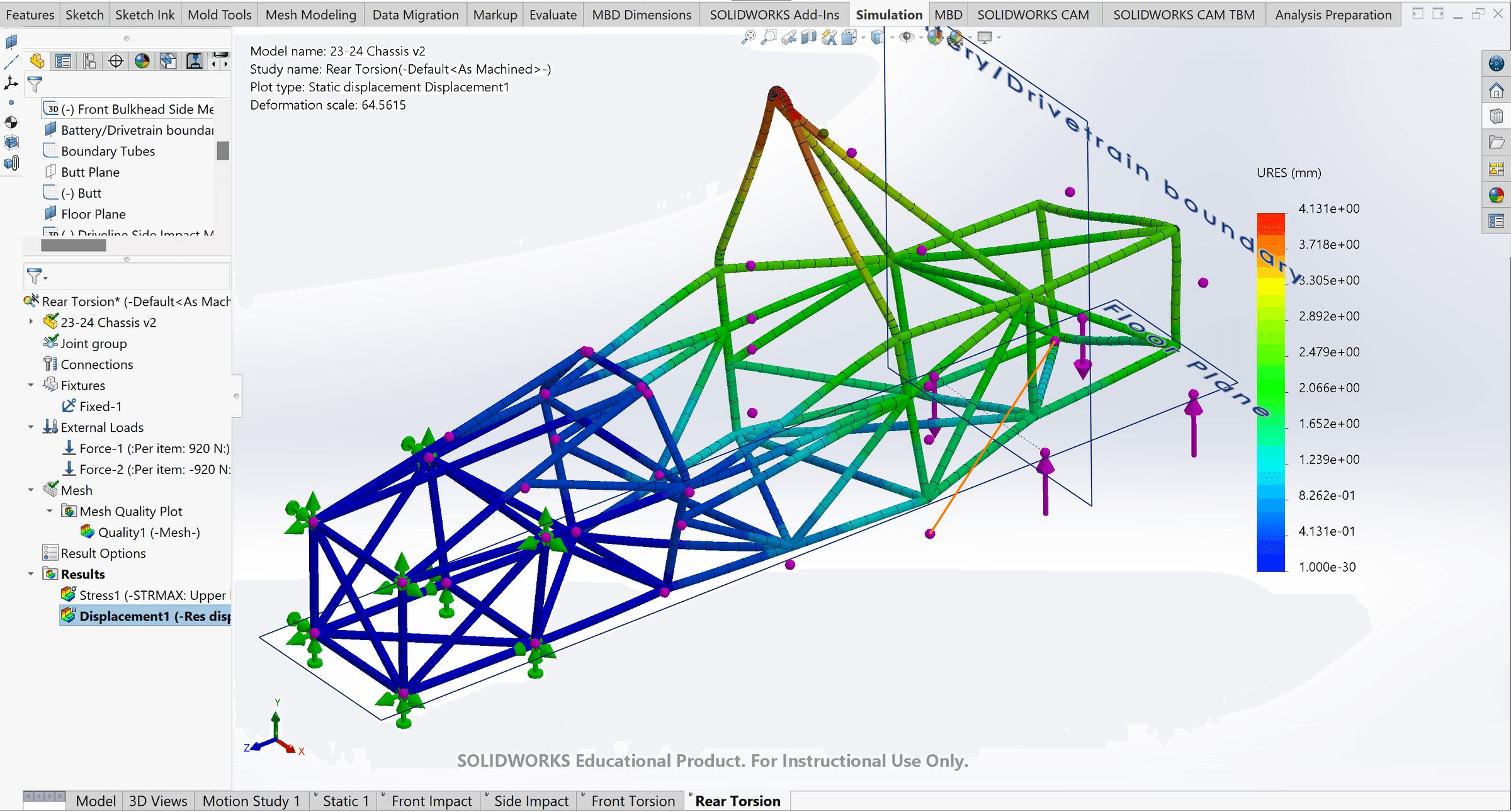
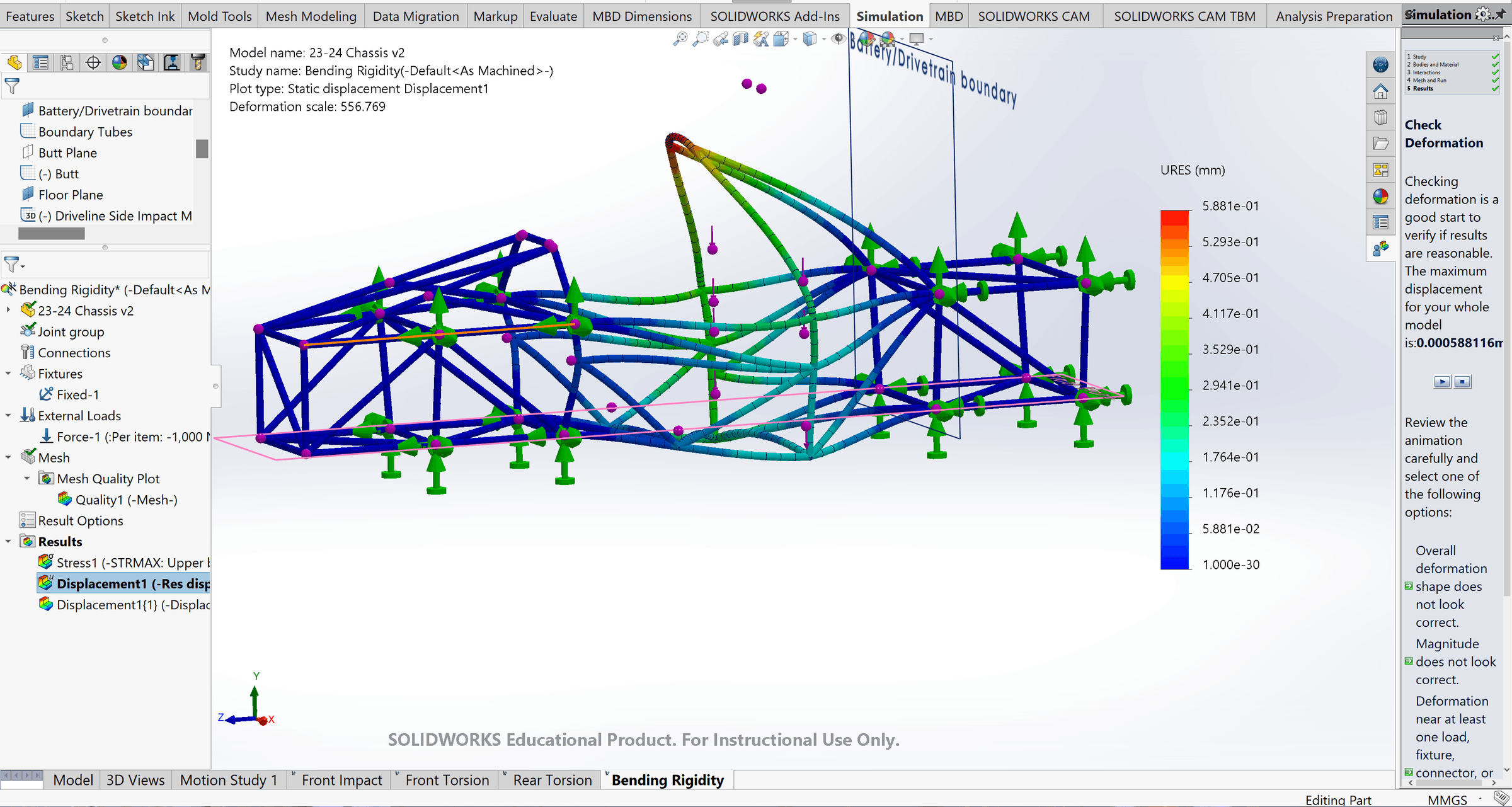
- Reduced 4130 chromoly steel chassis weight by 11% (4.7 kg) through FEA-driven optimization in SolidWorks, while holding the required factors of safety and FSAE-compliant torsional rigidity.
- Ran multi-load-case FEA: 120 kN front impact, 80 kN side impact, and torsional rigidity to benchmark against the previous chassis.
- Researched and benchmarked 9 FIA-certified racing seats and 6-point harness configurations against FSAE safety regulations using a decision matrix, optimizing for driver ergonomics and structural integration.
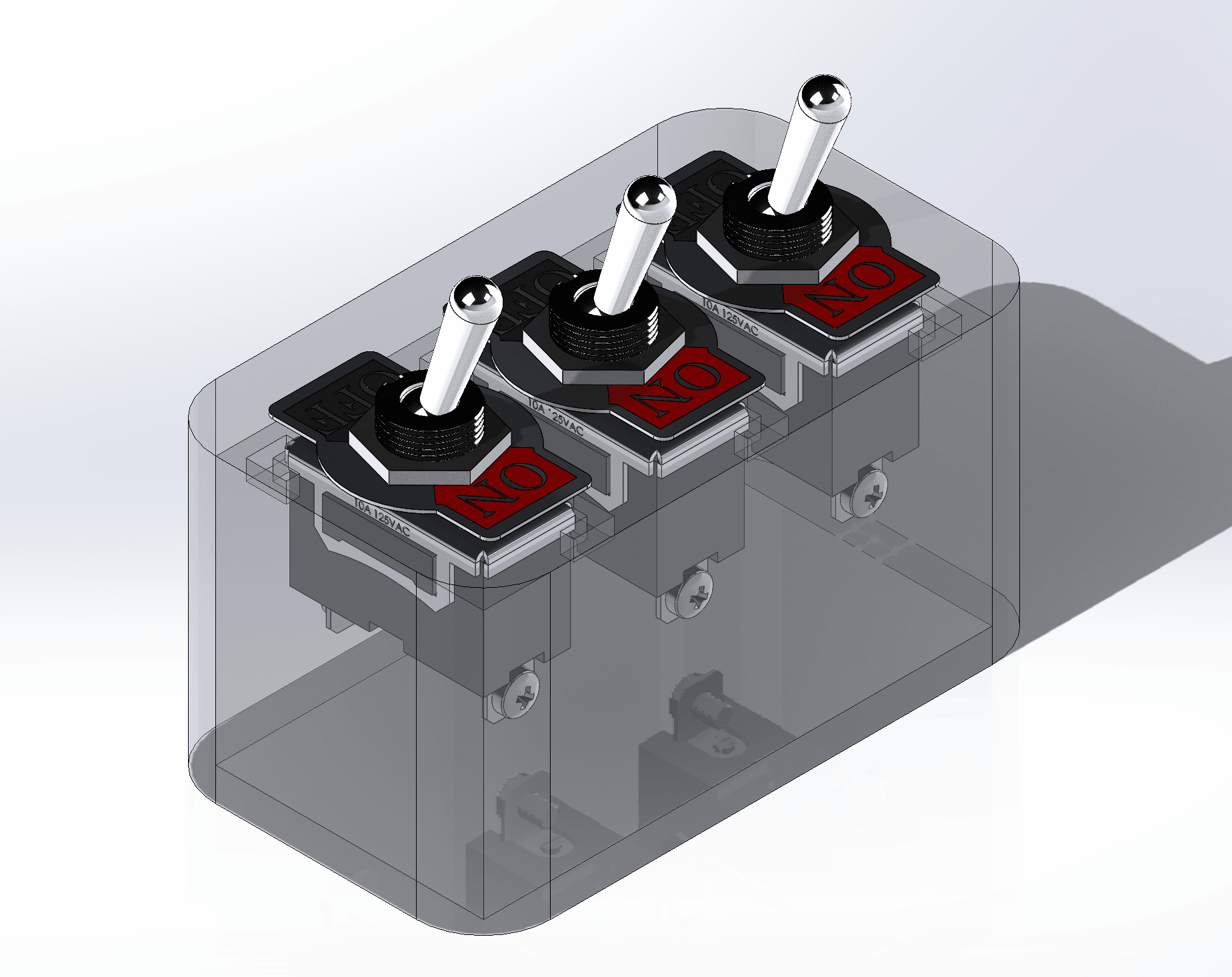
- Designed a weatherproof safety-control enclosure to house AIR control relays and safety switches, with a removable access panel and gasket sealing; tuned fit through iterative 3D-printed prototypes.
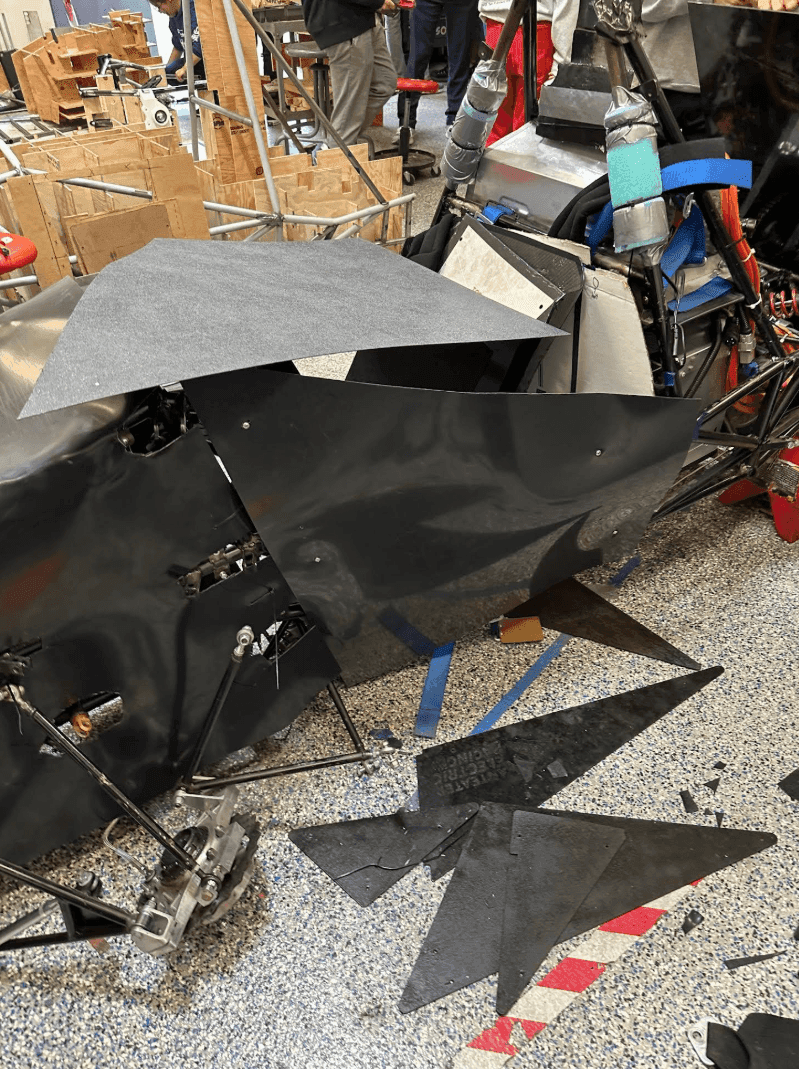
- Manufactured polycarbonate panels to house and protect the control system, battery, and sensitive electronics, and to improve fire resistivity for driver safety.
Welding Fixtures
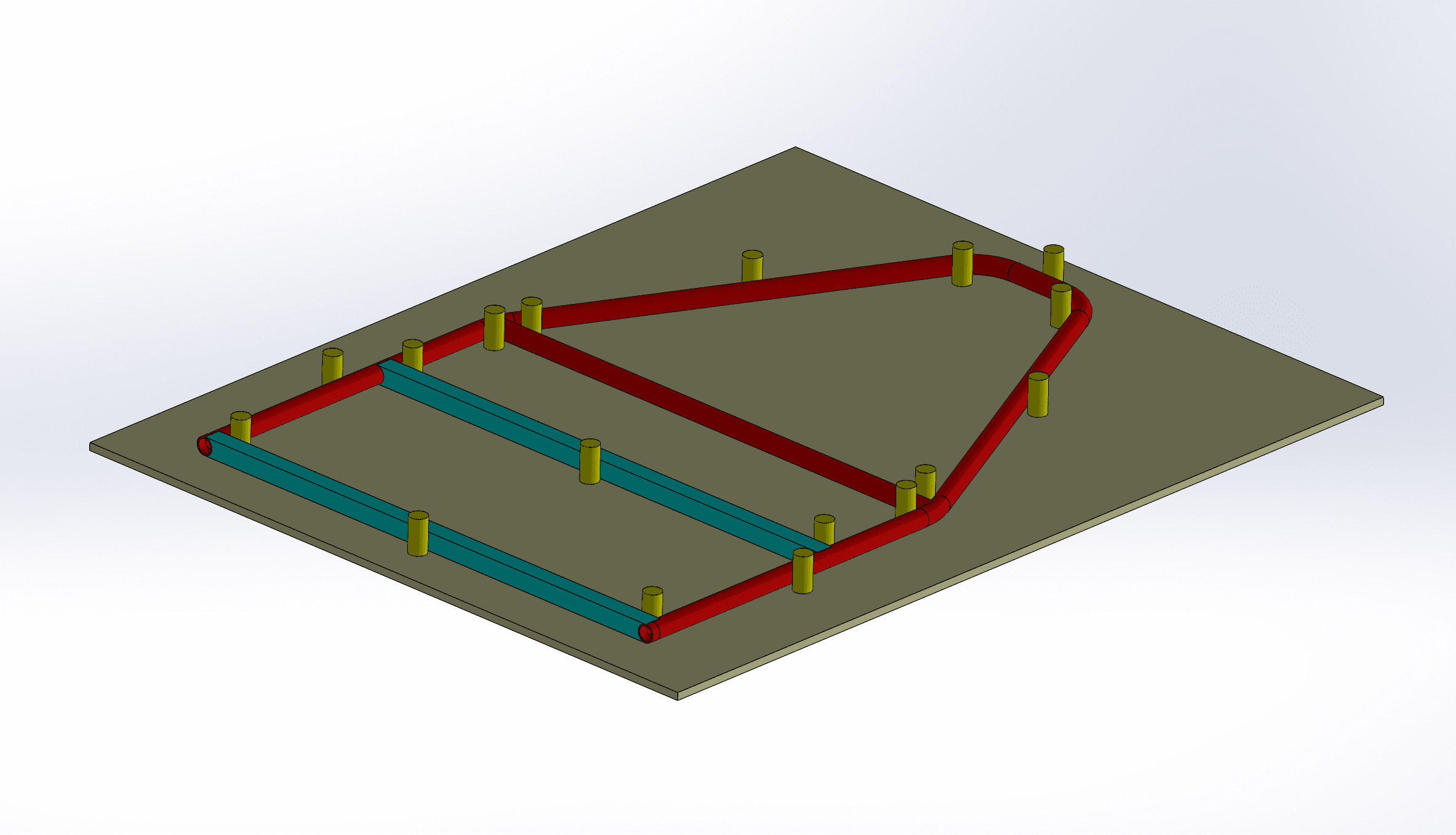
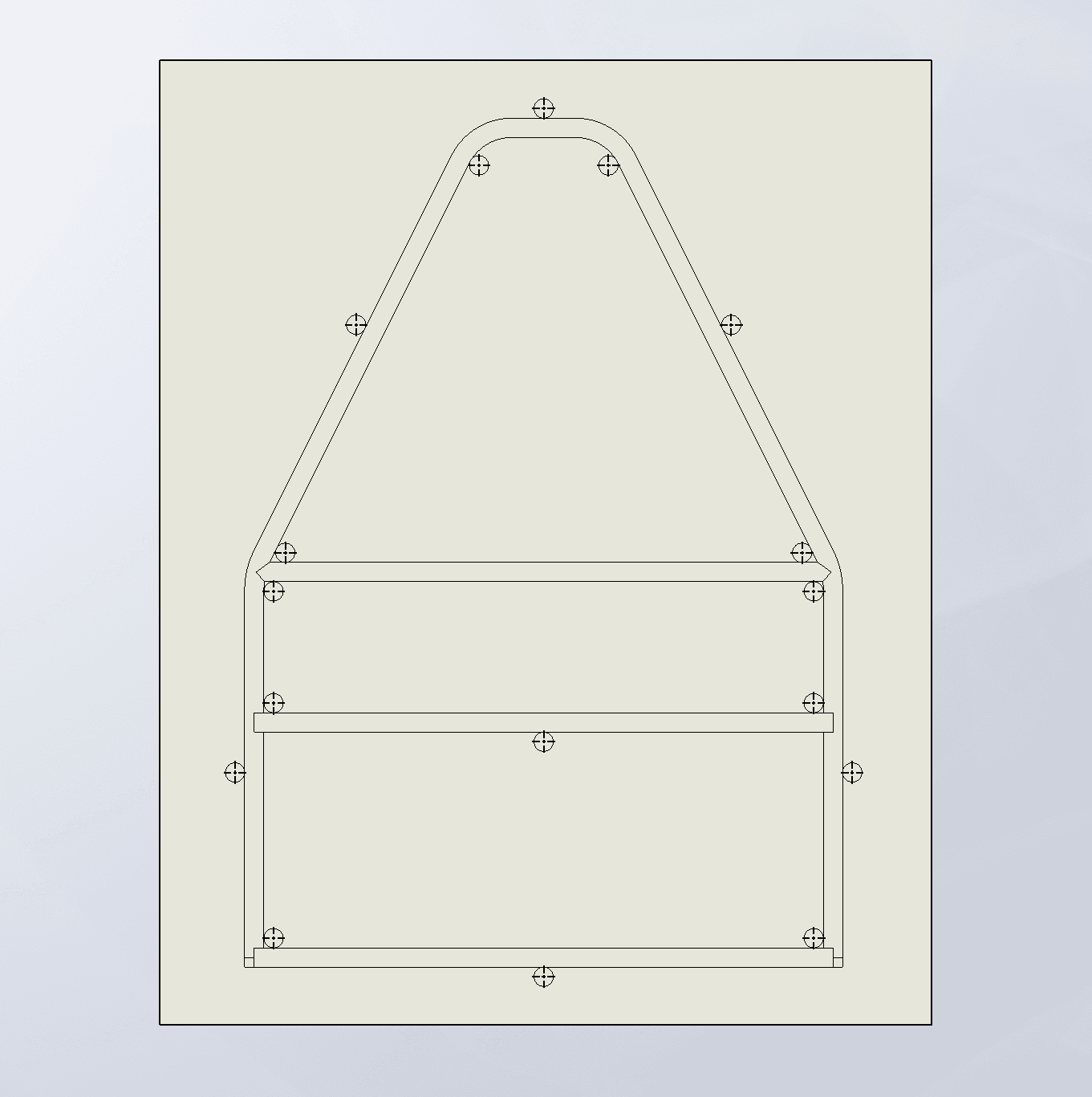
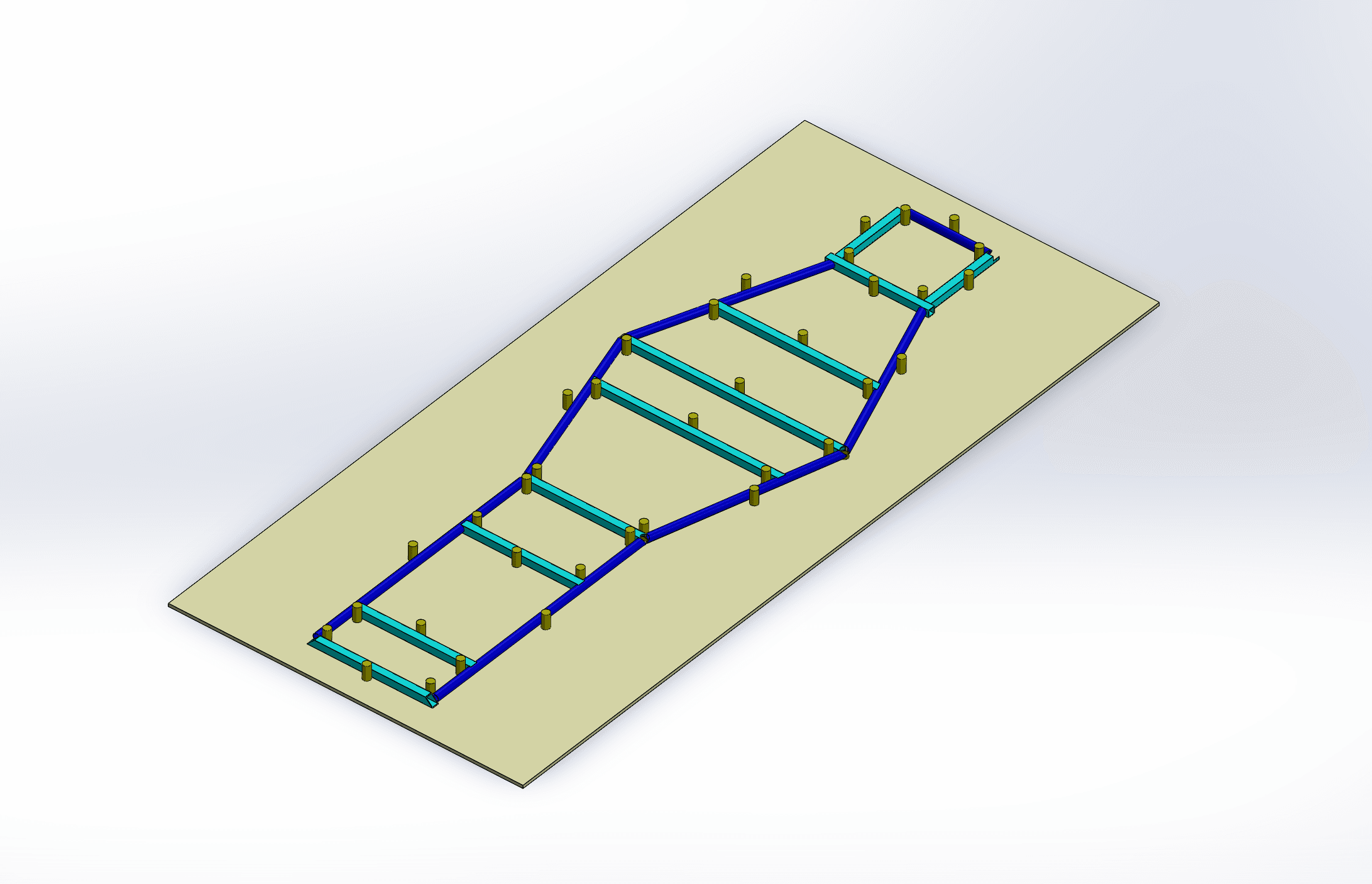
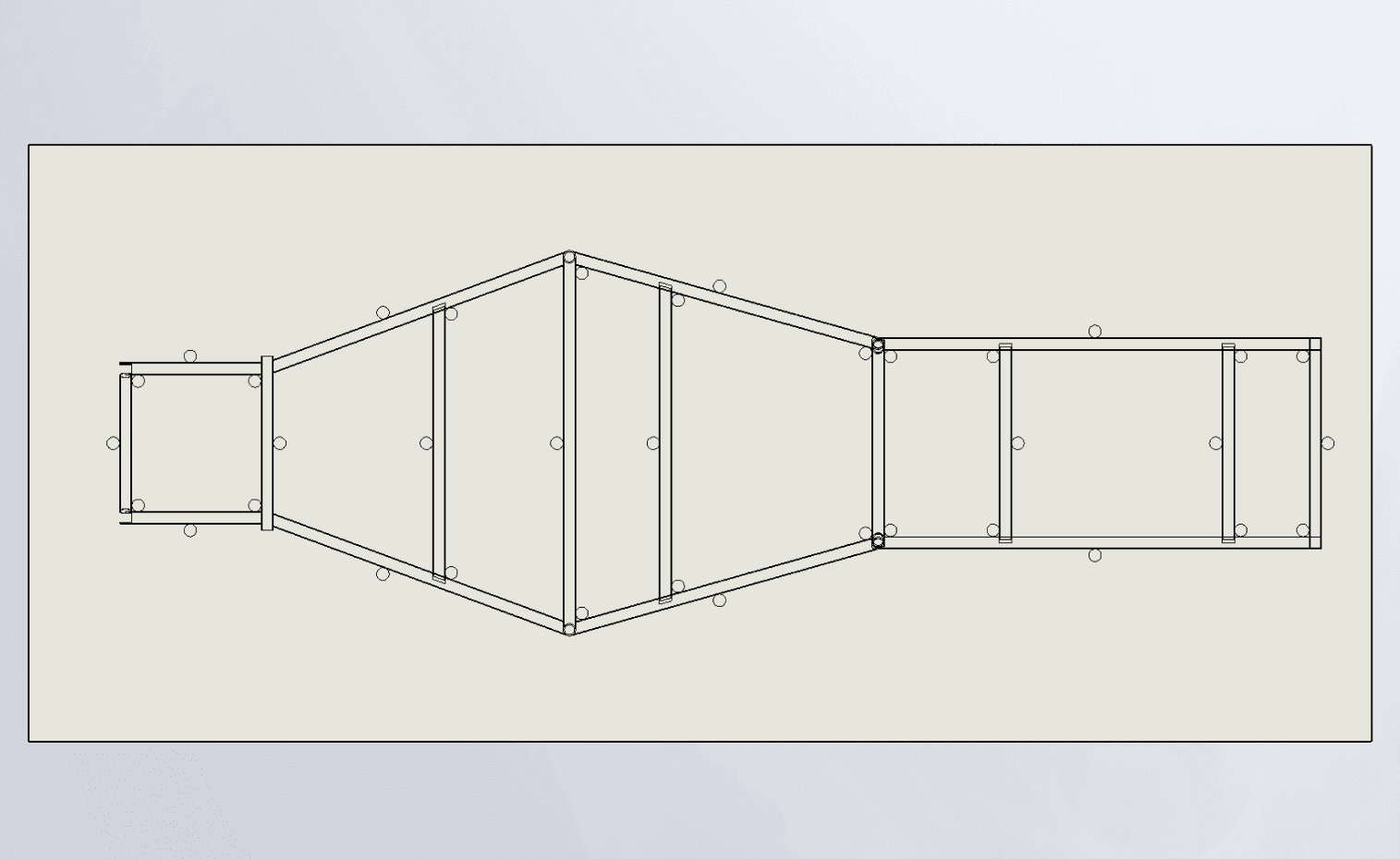
A welded space frame is only as accurate as the fixtures that hold it during the build. I designed the chassis jigging system and tube placement templates with sub-1 mm tolerances so that the geometry coming off the table matched the SolidWorks model.
- Designed welding fixtures with sub-1 mm tolerances, including tube jigs and placement templates.
- Iterated on operator ergonomics so each fixture was actually pleasant to work with at the welding table.
- Specified materials and tolerances suitable for repeated shop-floor use across a full chassis build.
Takeaways
FSAE forced me to get comfortable defending design decisions with simulation and data, then living with the consequences once the welds were laid down. The chassis is the most concrete piece of engineering I have my name on.
Spring Displacement Measurement System
"AirStep", Gait Rehabilitation Robot at UCI Biorobotics Lab